Source Plastic Steel Biaxial Geogrid for Road Base, Dam, and Retaining Wall
Compare 30 listings for plastic steel biaxial geogrids tailored for road base, dam, and retaining wall reinforcement. Evaluate tensile strength, mesh size, and customization options to find the right solution for your project needs; compare the available evidence and request quotations based on your requirements.
Key considerations
Products List


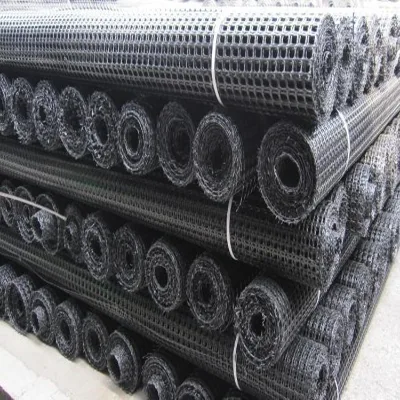


Comprehensive Sourcing Guide
Plastic Steel Biaxial Geogrid Sourcing Guide
Buyers must first distinguish between the specific material classifications available in the current market, as the term often conflates distinct product types. The observed listings reveal a split between Polyester Geogrids and Steel Plastic Composite Geogrids, each serving different structural needs. While some products are explicitly labeled as Plastic Geogrids made from Polypropylene, others utilize a Steel Plastic composition manufactured via ultra-sonic welding. Understanding this fundamental material difference is critical before initiating any procurement process, as the mechanical properties and application suitability vary significantly between these categories.
Procurement teams should also scrutinize the functional claims associated with these materials to ensure alignment with project requirements. The available data indicates that these geogrids are primarily designed for reinforcement and anti-slip functions in applications such as road bases, dams, steep slopes, and retaining walls. Buyers should verify that the specific product selected matches the intended structural load, noting that tensile strength ranges observed in the market span from 20kN to 1200kN. This wide variance suggests that a single generic search term may yield products with vastly different load-bearing capacities, necessitating a precise match between the supplier's specification and the engineering design.
Product Scope and Observed Listing Signals
When evaluating product listings, buyers should look for specific model identifiers and physical dimensions that confirm the product's identity. The market data shows distinct model numbers such as ZH-BG02, ZH-BG09, and ZH-BG023, alongside generic descriptors like Steel Plastic Geogrid. These identifiers often correlate with specific mesh sizes ranging from 30mm to 65mm and lengths that can extend up to 100 meters. It is essential to cross-reference these model numbers with the requested width, which typically varies between 1 and 6 meters, to ensure the physical dimensions align with the site's layout requirements.
Color and packaging details serve as secondary signals for product authenticity and customization capabilities. Most observed listings specify a black color for the geogrids, with some noting a minimum carbon black content of 2% to ensure UV resistance. Packaging methods vary from woven bags to rolls wrapped in PP plastic bags, and suppliers often offer custom-made packing solutions. Buyers should confirm whether the supplier provides OEM marking on white or yellow tape, as this indicates a higher level of customization support and traceability, which is often required for large-scale infrastructure projects.
Technical Specifications to Verify
Tensile strength and elongation limits are the primary technical parameters that dictate the structural integrity of the geogrid. The observed data highlights a tensile strength range of 20kN to 1200kN, with elongation capped at a maximum of 13%. Buyers must verify that the specific batch they order meets the minimum strength requirements for their specific application, such as a retaining wall or road base. Relying on a generic range without confirming the exact load rating for the selected model can lead to structural failures, so requesting a mill test certificate for the specific production batch is a necessary verification step.
Mesh geometry and raw material composition are equally critical for ensuring long-term performance under stress. The mesh size is typically observed between 30mm and 65mm, while the raw material is identified as either Polypropylene or a Steel Plastic composite. Buyers should confirm the manufacturing method, such as ultra-sonic welding, as this affects the bond strength between the ribs and the grid structure. Additionally, verifying the standard designation, which may range from 10-50kN to 15-50kN depending on the specific product line, ensures that the product adheres to the expected performance benchmarks for the intended civil engineering application.
Compliance and Safety Documentation
Certification status is a primary indicator of a supplier's commitment to quality management and international standards. The available data confirms that some suppliers hold ISO certification, which validates their quality management systems. However, buyers should not assume that all listed products automatically carry this certification or other marks like CE without explicit verification. It is prudent to request current, valid certificates for the specific manufacturing facility to ensure that the production process adheres to recognized safety and quality protocols before finalizing any purchase agreement.
Documentation regarding the product standard and origin is essential for regulatory compliance and project acceptance. The observed listings indicate that products originate from China, with specific mentions of Taian as a manufacturing hub. Buyers must verify the specific product standard applied, as some listings reference custom-made standards while others cite specific load ratings like 15-50kN. Ensuring that the documentation clearly states the origin and the applicable standard helps in navigating customs regulations and meeting the technical specifications required by local engineering authorities for infrastructure projects.
Cost Drivers and Commercial Terms
Pricing and minimum order quantities are significant factors that influence the total cost of ownership for geogrid procurement. The observed market data shows a price range of 0.1 to 3 USD, with minimum order quantities varying widely from 1 unit up to 20,000 units. However, a specific listing notes an MOQ of 100 square meters, suggesting that unit pricing may fluctuate based on the volume ordered. Buyers should negotiate based on the total square meterage required rather than unit price alone, as larger orders often unlock better pricing tiers and reduce the per-unit logistics cost.
Customization and packaging options introduce variable costs that must be factored into the commercial terms. Many suppliers offer custom-made products and packing solutions, which can increase the unit price compared to standard inventory items. The availability of graphic design and 3D model design services as part of the project solution capability may also impact the overall cost structure. Buyers should clarify whether these value-added services are included in the base price or billed separately, and ensure that the payment terms account for the lead time required for custom manufacturing and specialized packaging.
Supplier Qualification and Quality Control
Supplier capabilities extend beyond basic manufacturing to include comprehensive project support and after-sales service. The data indicates that suppliers offer online technical support and free spare parts, which are vital for maintaining project continuity. Additionally, the availability of graphic design and 3D model design services suggests that these suppliers can assist in the planning and visualization phases of a project. Buyers should evaluate the depth of this support, ensuring that the supplier has the technical expertise to address on-site challenges and provide timely solutions to any installation issues that may arise.
Quality control processes should be verified through the supplier's manufacturing methods and material consistency. The use of ultra-sonic welding for Steel Plastic Geogrids is a specific manufacturing technique that requires precise control to ensure structural integrity. Buyers should inquire about the internal quality control measures in place, such as regular tensile strength testing and mesh size verification. Confirming that the supplier maintains consistent raw material quality, such as the specified Polypropylene or Steel Plastic composition, is essential to prevent performance degradation over the lifespan of the infrastructure project.
Long-Term Procurement Checks
Establishing a reliable supply chain requires ongoing verification of the supplier's ability to maintain consistent product quality over time. Buyers should implement a system for periodic re-verification of the product specifications, ensuring that the tensile strength and elongation limits remain within the agreed-upon ranges. Regular audits of the manufacturing process and material sourcing can help identify any deviations early, preventing potential failures in the field. This proactive approach ensures that the geogrids continue to meet the rigorous demands of civil engineering applications throughout the project lifecycle.
Future procurement strategies should also account for the evolving nature of product standards and customization needs. As project requirements change, the ability of the supplier to adapt their production lines for custom sizes and load ratings becomes increasingly valuable. Buyers should maintain open communication channels with suppliers to stay informed about new product models or updated standards, such as the various KN ratings observed in the market. Building a long-term partnership with a qualified supplier ensures access to the latest innovations and maintains the flexibility needed to respond to changing project demands.
FAQs
What tensile strength options are available for plastic steel biaxial geogrid?
Plastic steel biaxial geogrid is listed in tensile strength ranges from 30KN to 300KN, while related plastic geogrids span 20KN to 1200KN depending on the model. Selection depends on the application, such as road base, retaining wall, or dam reinforcement. Buyers should confirm the required strength grade with the supplier before ordering, as specifications are often customizable to project requirements.
Can plastic steel biaxial geogrid be customized for specific project requirements?
Yes, customization is available for plastic steel biaxial geogrid products. Suppliers typically offer custom-made sizes, lengths, and packing options, and some provide OEM marking on packaging such as white or yellow tape. When requesting customization, buyers should specify mesh size, tensile strength grade, roll length, and packaging preferences so the manufacturer can confirm feasibility and production details before quoting.
What is the typical roll length and width for plastic steel biaxial geogrid?
Common listed roll lengths range from 25 meters to 100 meters, with widths from 1 meter to 6 meters, and a standard 50-meter roll is frequently offered. Mesh sizes typically fall between 30mm and 65mm. Exact dimensions vary by model, so buyers should confirm roll dimensions and mesh size with the supplier, especially when ordering custom sizes for large infrastructure projects.
How is plastic steel biaxial geogrid manufactured and packed for shipping?
Steel plastic composite geogrid is produced using an ultrasonic welding method, combining steel and plastic materials for reinforcement functions. Packing options include rolls wrapped in PP plastic bags, woven bags, or custom-made packaging. Buyers planning export shipments should discuss packaging requirements with the supplier in advance, since moisture protection and roll labeling can often be adapted to destination port and handling conditions.
Which applications suit plastic steel biaxial geogrid reinforcement?
Plastic steel biaxial geogrid is applied to road base reinforcement, dams, steep slopes, and retaining walls, providing reinforcement and anti-slip functions. Biaxial structure delivers strength in both machine and cross directions, which suits applications requiring load distribution over soft or unstable ground. For each project, engineers should match tensile strength grade and mesh size to soil conditions and expected loads before ordering.
How does elongation affect plastic steel biaxial geogrid performance?
Elongation for listed plastic geogrids is limited to 13 percent maximum, meaning the material stretches relatively little under load before reaching its rated tensile strength. Lower elongation helps maintain soil confinement and dimensional stability in reinforced structures such as retaining walls and road bases. Buyers should compare elongation limits alongside tensile strength when selecting a grade, since both values influence long-term performance.